
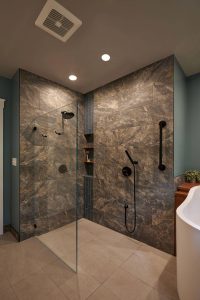
 Walk-in showers have become one of the most requested features in modern bathroom remodeling. Their popularity is driven by both aesthetics and practicality.
A well-designed walk-in shower creates an open, spacious appearance that can make even a modest-sized bathroom feel larger. Frameless glass enclosures allow natural and artificial light to travel throughout the room, creating a bright and inviting environment.
Beyond appearance, homeowners appreciate the convenience of walk-in showers. Many people simply prefer the speed and ease of showering over taking baths. A larger shower can also accommodate features that transform an everyday routine into a more enjoyable experience, including rainfall shower heads, handheld sprayers, built-in benches, recessed storage niches, and multiple body sprays.
For homeowners thinking about the future, walk-in showers can also support aging-in-place goals. Curbless or low-threshold entries provide easier accessibility without sacrificing style.
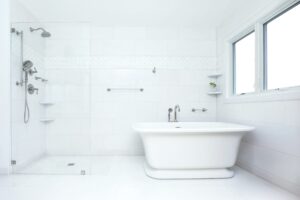 Despite the growing popularity of walk-in showers, bathtubs remain an important feature for many homeowners.
For families with young children, a bathtub often remains a practical necessity. Parents frequently find bathing young children easier in a tub than in a shower, making it a valuable feature in hall bathrooms and shared family spaces.
Many homeowners also appreciate the relaxation that a bathtub provides. After a long day, soaking in a warm bath can offer a level of comfort and stress relief that a shower simply cannot replicate. This is one reason freestanding soaking tubs have become increasingly popular in primary bathroom remodels.
Modern tubs are available in a wide range of styles, from sleek contemporary designs to timeless traditional models. When paired with beautiful tile, elegant lighting, and thoughtful design, a soaking tub can become the focal point of an entire bathroom.
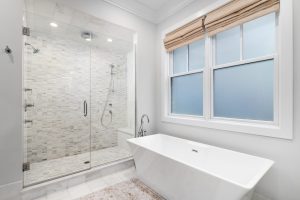 If space and budget allow, combining a walk-in shower with a soaking tub often provides the best of both worlds.
This approach has become increasingly common in larger primary bathroom remodels. A spacious shower offers convenience for everyday use, while a freestanding tub creates a relaxing retreat when desired.
The combination also provides flexibility for changing lifestyles and can appeal to a broader range of future buyers should the home ever be sold.
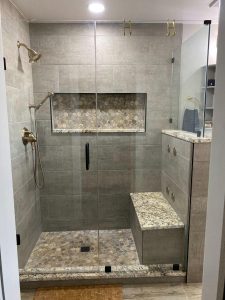 There is no one-size-fits-all answer when it comes to choosing between a walk-in shower and a bathtub. The right decision depends on how you use your bathroom, what features are most important to your family, and how you envision the space functioning in the future.
Many homeowners ultimately discover that the most successful bathroom remodel is not the one that follows the latest trend, but the one that best supports their lifestyle.
Whether you’re considering a spacious walk-in shower, a luxurious soaking tub, or a combination of both, careful planning and thoughtful design can help create a bathroom that feels comfortable, beautiful, and functional for years to come.
For more bathroom design inspiration, be sure to read our articles on Bathroom Remodeling Ideas for Every Style and Budget, Top Bathroom Remodeling Trends Homeowners Are Choosing This Year, and Are Heated Bathroom Floors Worth It?